Understanding Your Cholesterol Levels & How to Manage Them
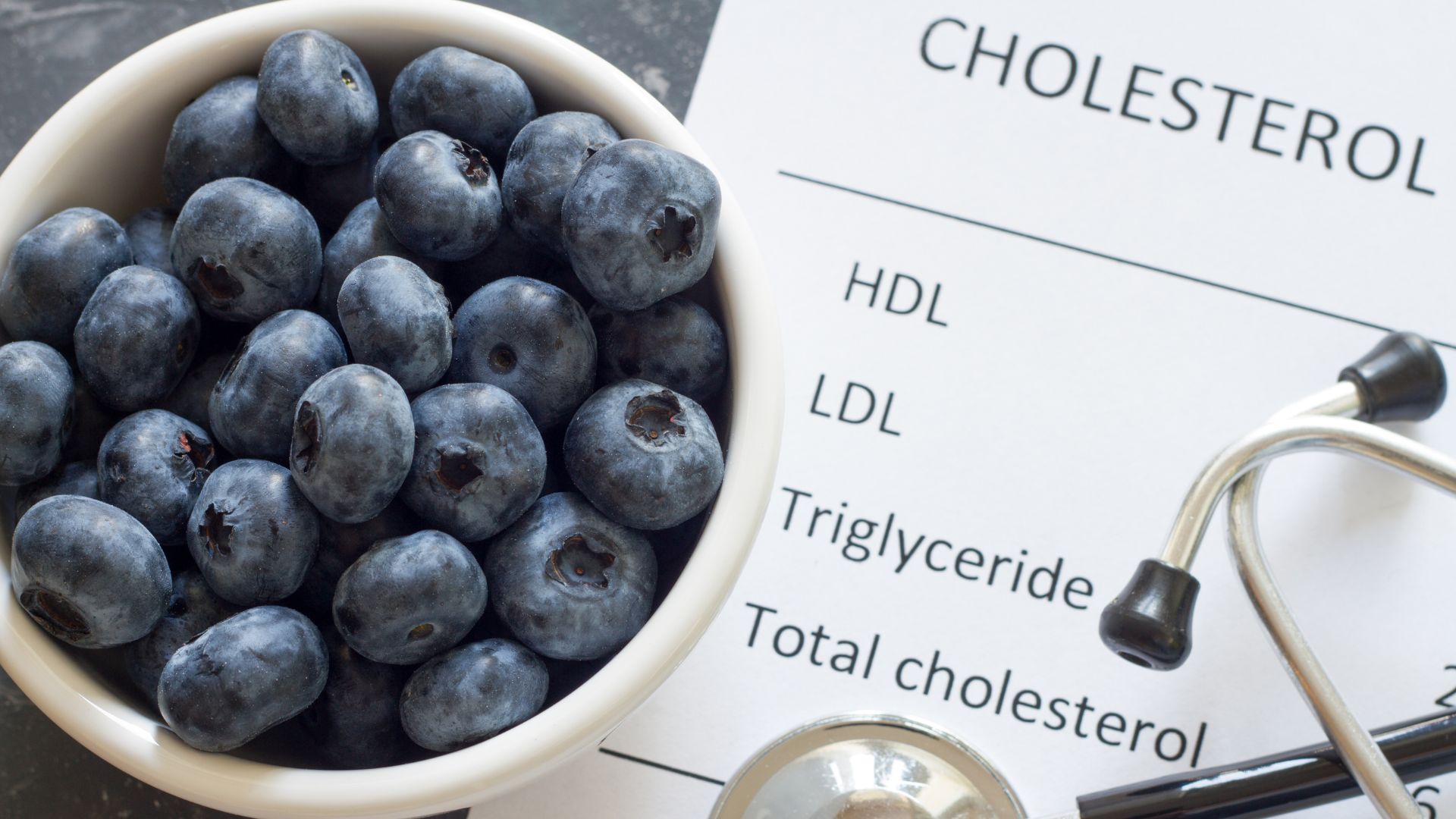
Cholesterol is a waxy substance found in your blood that is essential for building healthy cells. However, having high levels of certain types of cholesterol can increase your risk of heart disease. Understanding the different types of cholesterol—HDL (high-density lipoprotein), LDL (low-density lipoprotein), and triglycerides—is crucial for maintaining heart health.
The Different Types of Cholesterol
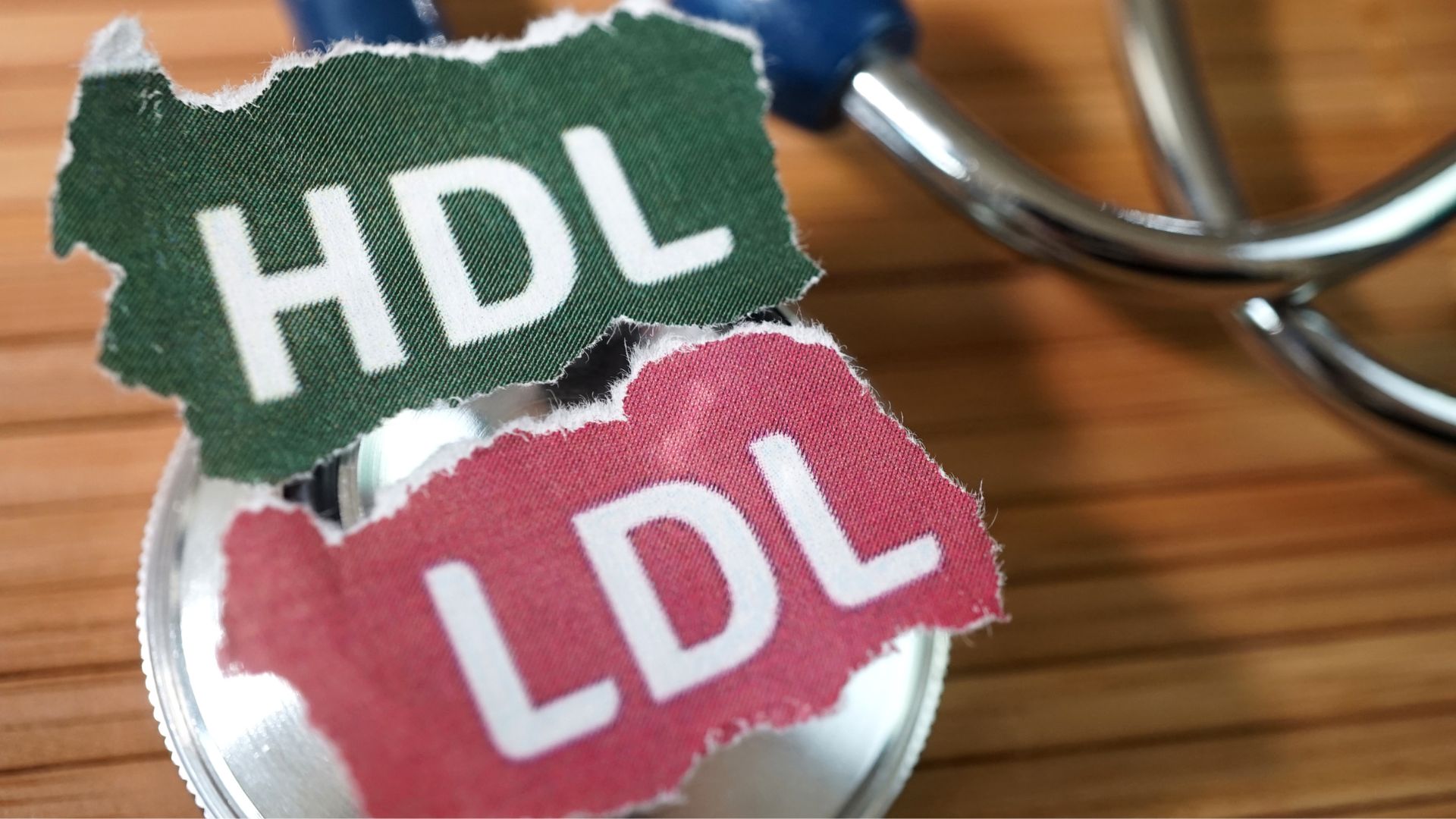
- HDL (High-Density Lipoprotein): Often referred to as “good” cholesterol, HDL helps remove other forms of cholesterol from your bloodstream. Higher levels of HDL are associated with a lower risk of heart disease.
- LDL (Low-Density Lipoprotein): Known as “bad” cholesterol, LDL can build up in the walls of your arteries, leading to atherosclerosis, which can result in heart attacks and strokes. Lowering LDL levels is essential for heart health.
- Triglycerides: These are a type of fat found in your blood. High triglyceride levels can also increase the risk of heart disease, especially when combined with high LDL or low HDL levels.
The Impact of Cholesterol on Heart Health
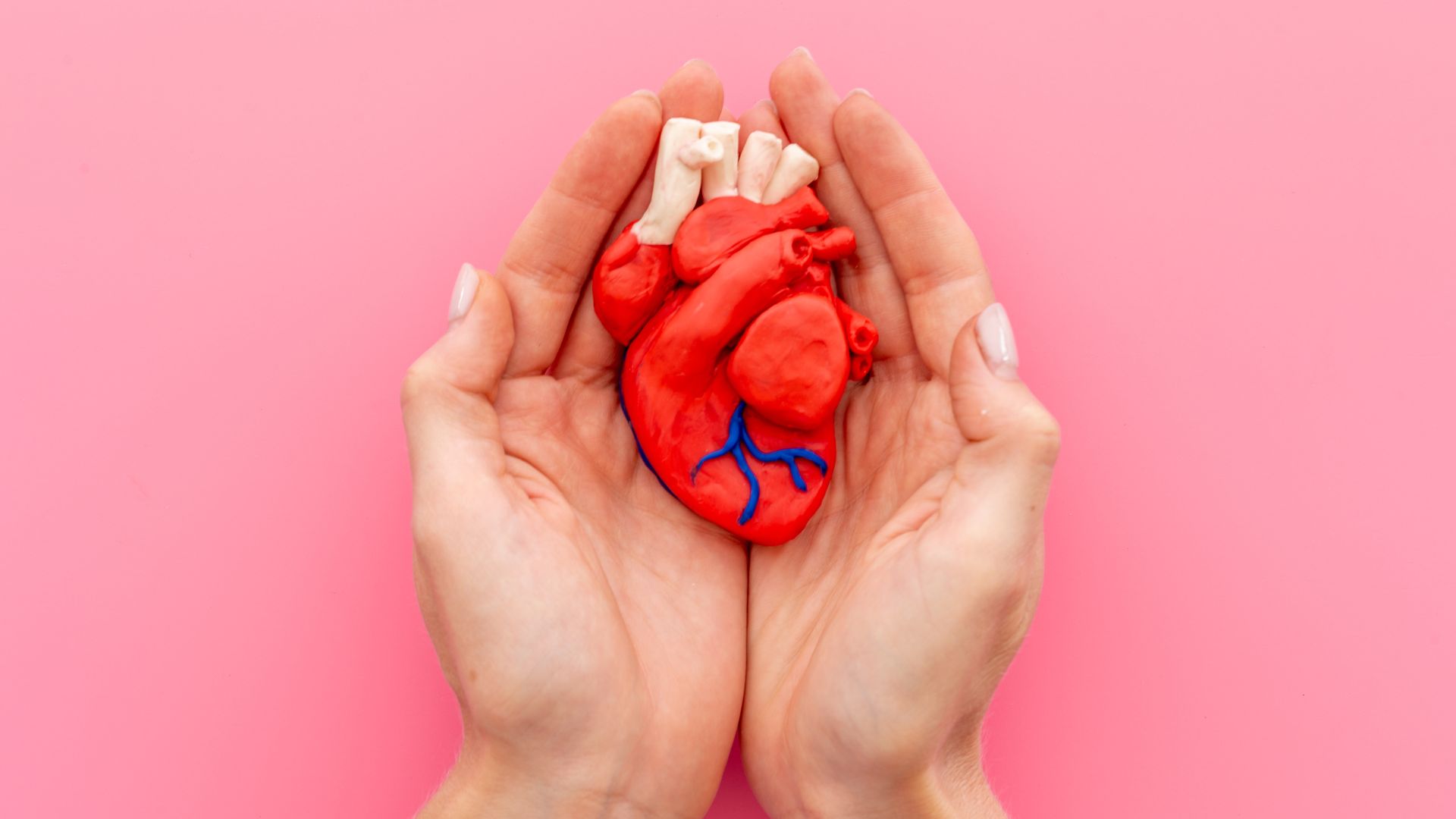
High levels of LDL cholesterol and triglycerides can lead to plaque buildup in the arteries, narrowing them and making it harder for blood to flow. This can result in serious cardiovascular issues, including heart attacks and strokes. Conversely, higher levels of HDL cholesterol can help protect against these conditions by transporting cholesterol away from the arteries and back to the liver, where it is processed and removed from the body.
How to Reduce Bad Cholesterol and Boost Good Cholesterol
Managing cholesterol levels is vital for heart health. Here are some effective strategies to reduce LDL cholesterol and increase HDL cholesterol:
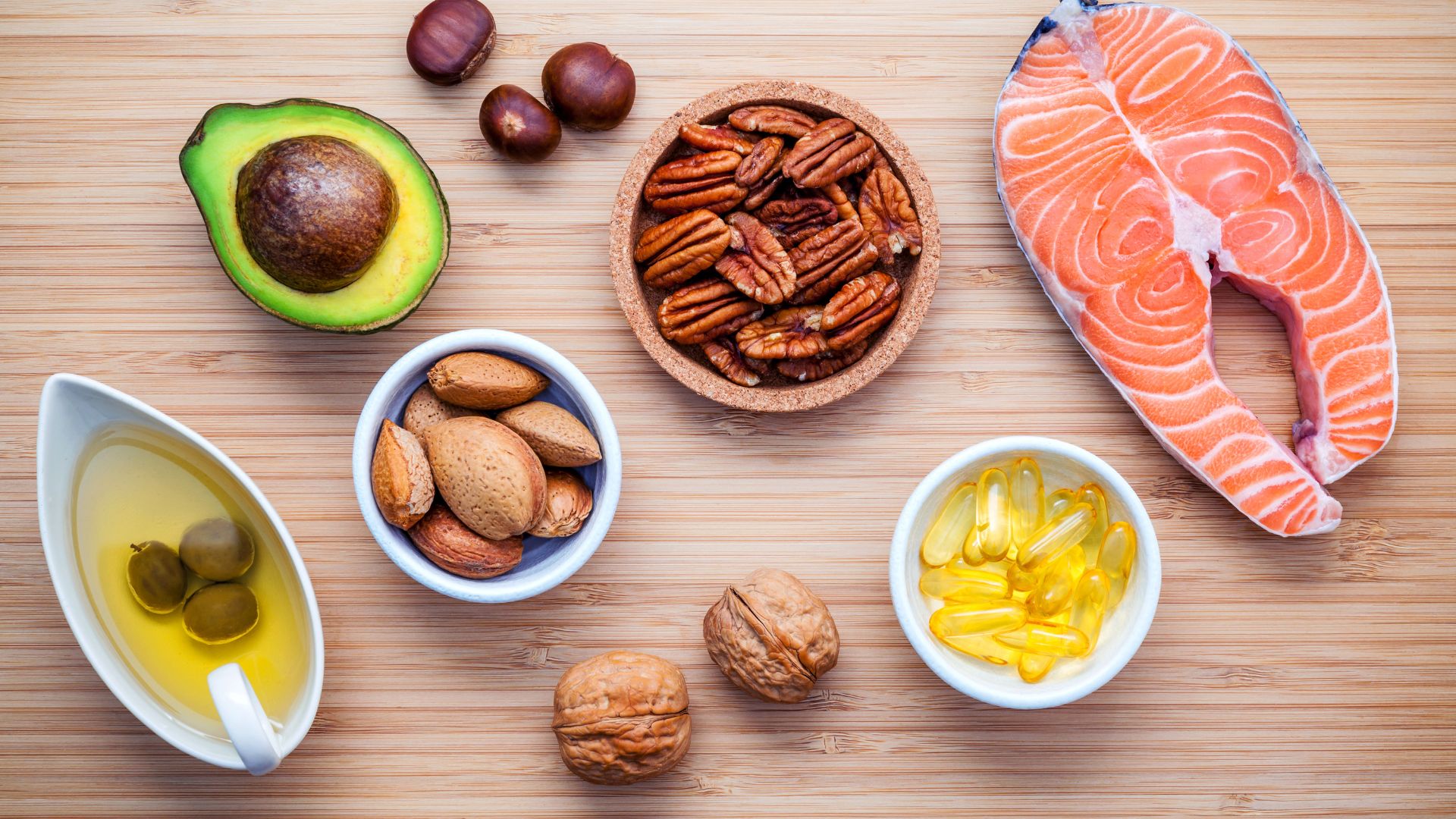
- Adopt a Heart-Healthy Diet:
- Increase Fiber Intake: Foods high in soluble fiber, such as oats, beans, lentils, fruits, and vegetables, can help lower LDL cholesterol.
- Choose Healthy Fats: Replace saturated fats found in red meat and full-fat dairy products with healthier fats from sources like olive oil, avocados, and nuts. Omega-3 fatty acids, found in fatty fish like salmon and mackerel, can also boost HDL levels.
- Limit Trans Fats: Avoid trans fats found in many processed foods, as they can raise LDL cholesterol levels.
- Engage in Regular Physical Activity:
- Aim for at least 150 minutes of moderate aerobic exercise each week, such as brisk walking, cycling, or swimming. Regular exercise can help raise HDL cholesterol and lower LDL cholesterol.
- Maintain a Healthy Weight:
- Losing excess weight can help lower LDL cholesterol levels and improve overall heart health. Even a modest weight loss of 5-10% can make a significant difference.
- Quit Smoking:
- If you smoke, quitting can improve your HDL cholesterol level. The benefits of quitting extend beyond cholesterol, significantly reducing your risk of heart disease.
- Limit Alcohol Intake:
- Moderate alcohol consumption may be associated with higher HDL levels, but excessive drinking can lead to serious health issues. If you drink, do so in moderation.
- Consider Medication if Necessary:
- If lifestyle changes are not enough to manage your cholesterol levels, your healthcare provider may recommend medications such as statins to help lower LDL cholesterol.
Conclusion

Understanding cholesterol and its impact on heart health is essential for everyone. By making informed lifestyle choices, you can effectively manage your cholesterol levels, reducing the risk of heart disease and promoting overall well-being. Regular check-ups with your healthcare provider can help monitor your cholesterol levels and guide you in making the best choices for your health.